

When people hear the phrase human rights, it often brings to mind grand declarations, international treaties, or powerful speeches at the United Nations. While these are indeed vital, human rights are not abstract ideals that live only in courtrooms or political arenas. They are everyday principles that shape the way we live, interact, and thrive as individuals and as communities.
Human rights matter in daily life because they are the foundation of dignity, equality, and freedom. They protect us in our homes, our schools, our workplaces, and in our societies. When upheld, they create conditions where people can reach their full potential. When denied, they fuel inequality, suffering, and instability.
This article explores why human rights are not distant ideals but practical necessities that affect us all.
What Are Human Rights?
Human rights are the basic freedoms and protections that belong to every person simply because they are human. They include the right to life, liberty, education, healthcare, equality before the law, and freedom from discrimination. These rights are universal—they apply to everyone, regardless of race, gender, religion, or social status.
They are also inalienable, meaning no one can take them away. Governments, institutions, and individuals have a duty to respect and protect them.
Preserving the Justice of Earth’s Biology and Ecosystem
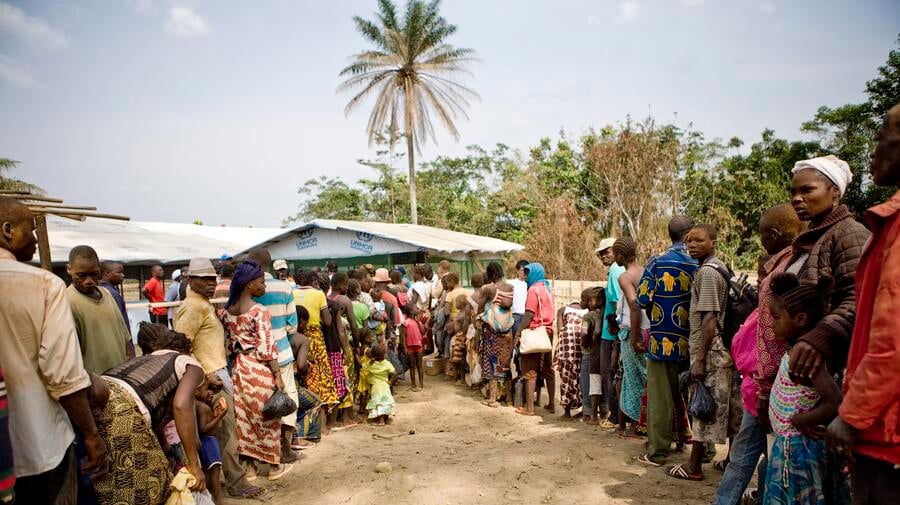
Human rights, humanity and international rule of law are, respect, dignity, liberty, freedom, right to possession, reproductive right, right to legal tender, right to human basic decency, right to basic moral values, right to health, right to inhabitant, right to life, right to education.
:But all these can be opposed or over challenged through tort pervert organized crimes of a tort pervert organized crime/ system/ behavior/ pattern of sexual corruption.
That pervert or over challenging of human rights, humanity and international rule of law forces victims into prison, into poverty, to irregularly displace, to get infected with HIV and AIDS, forces victims to commit suicide, for incapacitating wanton depression kwashiorkor, traumatization torture colds and skin cancer.
At Ruff Reass Foundation we understand that an answer to a pervert tort organized crime/ system/ behavior/ pattern is, Just because a right can be found on a human being, doesn’t mean it’s not a right or be pervertly used to force victims for some end-goals and punishable justice through deliberate exhausting traumatization torture shifting delaying : Incommunicado.,,. fixing antagonizing antagonism.
Human Rights at Home
The most immediate impact of human rights begins at home. The right to shelter, food, and family life ensures that households can exist with dignity. A child’s right to education guarantees opportunities to grow and dream. A parent’s right to work and earn a fair wage protects families from poverty.
When these rights are upheld, homes become safe spaces where individuals can flourish. But when they are denied—through poverty, neglect, or discrimination—the very foundation of family life begins to crumble. Recognizing human rights in our daily lives starts with acknowledging their role in creating stable and nurturing households.
Human Rights in Education
Education is one of the most powerful human rights. It opens doors to opportunity, equips individuals with knowledge, and empowers them to make informed decisions. The right to education ensures that children can learn in safe environments, free from discrimination and exploitation.
However, when this right is denied, cycles of poverty, inequality, and ignorance persist. Children who are denied access to schooling often face limited futures, reduced employment opportunities, and greater vulnerability to exploitation. Upholding this right is therefore not just about individual success; it is about lifting entire communities toward progress.
Human Rights in the Workplace
Every worker has the right to fair wages, safe conditions, and equal opportunities. These rights protect employees from exploitation, harassment, and discrimination. They ensure that people can earn a living without fear of abuse or unsafe environments.
Yet in many societies, unfair practices still exist—workers underpaid, discriminated against because of gender or background, or placed in dangerous conditions. Protecting workplace rights is essential not only for justice but also for productivity. When workers feel respected and safe, they contribute positively to the economy and to society at large.
Human Rights in Society
On a broader level, human rights ensure that individuals can participate fully in their communities. They guarantee freedoms such as speech, movement, and association. These rights allow people to express opinions, form groups, and engage in public life without fear of persecution.
When these rights are denied, societies become marked by fear, silence, and oppression. Without freedom of expression or equality before the law, people cannot challenge injustice or work collectively for change. Protecting rights in society creates conditions where citizens feel valued and empowered to contribute.
The Cost of Ignoring Human Rights
When human rights are ignored, the consequences ripple across entire communities. Discrimination leads to exclusion, which breeds resentment and instability. Denial of healthcare or education locks people in poverty, which then weakens economies and social systems.
History is full of examples where ignoring human rights led to conflict, injustice, and suffering. Whether through racial segregation, gender inequality, or political oppression, the denial of rights has always fueled division and harm. Conversely, progress has always come when societies recognize and uphold the dignity of every individual.
Everyday Examples of Human Rights in Action
Sometimes human rights can seem like distant ideas, but they are visible in everyday moments:
- A girl attending school without fear of being excluded because of her mensuration instead of because of her gender.
- A person living with a disability being provided access to public spaces.
- An employee or citizen proportionately rewarded or paid for talent and expertise, not the opposite of it.
- A community accessing clean water and healthcare services.
- A citizen speaking openly about concerns without fear of imprisonment.
Each of these is a practical example of human rights in daily life. When they are respected, people flourish. When denied, lives are diminished.
Human Rights and Social Justice
Human rights are inseparable from social justice. Justice ensures that rights are not only promised but also delivered. It means that legal systems protect individuals from false imprisonment, malicious prosecution, or unfair treatment. It means that marginalized groups are not left behind but are given equal opportunities to thrive.
At Ruff Reass Foundation, we recognize that defending human rights is central to building stronger communities. By advocating for equality, fairness, and justice, we confront the injustices that weaken societies and leave individuals vulnerable.
How We Can All Promote Human Rights
Human rights are not just the responsibility of governments or organizations—they are everyone’s responsibility. In our daily lives, we can promote rights by:
- Respecting Others: Treating every individual with dignity and respect.
- Challenging Discrimination: Speaking out where we see unfair treatment based on gender, race,colour, social status or background
- Educating Ourselves: Learning about our rights and those of others to become better advocates.
- Supporting Advocacy: Partnering with organizations that fight for justice and equality.
- Practicing Compassion: Offering kindness and support to the marginalized and vulnerable.
By taking small actions, individuals contribute to a larger culture of respect and equality.
Conclusion: Why It Matters
Human rights are not lofty ideas meant only for international conferences, they are the everyday building blocks of dignity, respect, equality and liberty. They matter when a child goes to school, when a worker is treated fairly, when a community has access to healthcare, and when every person can live without fear of discrimination or injustice.
When respected, human rights create societies that are inclusive, resilient, and prosperous. When ignored, they breed inequality, division, and instability.
At Ruff Reass Foundation, we believe that protecting human rights is essential not only for ending epidemics like HIV and AIDS but also for building stronger, fairer, and more compassionate communities. Upholding these rights in everyday life is the pathway to a more just and hopeful world—for each individual, for every community, and for humanity as a whole.