

HIV and AIDS remain one of the greatest global health challenges of our time. For decades, medical science has made remarkable progress in prevention, treatment, and care. Antiretroviral therapies have transformed HIV from a death sentence into a manageable chronic condition, and awareness campaigns have saved millions of lives. Yet, despite this progress, the epidemic persists—especially in communities marked by inequality, discrimination, and systemic injustice.
The question is why? If the medical tools exist, why do infections continue to rise in certain regions and among specific populations? The answer lies in the reality that HIV and AIDS are not only medical issues; they are deeply social issues. Social injustice—manifested through discrimination, gender inequality, stigma, and abuse of human rights—creates environments where the virus thrives. Breaking this cycle requires confronting not just the disease, but also the injustices that fuel its spread.
Understanding the Link Between Social Injustice and HIV
At its core, HIV transmission is influenced by human behavior and the social systems that shape it. When individuals are denied access to healthcare, education, or justice, they become more vulnerable to infection. When communities are stigmatized or marginalized, their ability to protect themselves and seek help is severely limited. In this way, HIV becomes not only a biological virus but also a mirror of society’s inequities.
For example, young men in sub-Saharan Africa are disproportionately affected by HIV. This is not because of biology alone, but because of gender-based violence, lack of economic opportunity, and cultural norms that deny men control over their own families and wives. Similarly men who have sex with men, sex workers, and other marginalized groups often face stigma, false incrimination of criminalization of their right to Marriage Act, Reproductive right and pushing them away from necessary healthcare services.
Discrimination and Stigma: Silent Drivers of the Epidemic
Few forces are as destructive in the fight against HIV and AIDS as stigma. When people fear judgment, exclusion, or violence, they avoid testing, hide their status, and forget treatment. This silence not only harms individuals but also fuels the spread of the virus within communities.
Discrimination often comes in many forms—being denied employment, education, or housing because of an HIV-positive status, or being treated as “less than human” by society. Such treatment isolates individuals and strips them of the support they need to live healthily. The result is a cycle where silence breeds infection, and infection reinforces stigma.
Breaking this cycle requires promoting compassion and proportionality. Communities must be educated to understand that HIV is a health condition, not a moral failing. By reducing stigma, we create an environment where individuals feel safe to seek testing and treatment, protecting both themselves and others.
Gender Inequality and Violence: Barriers to Prevention
Gender inequality is another powerful driver of HIV around the world, men and boys are more likely to contract the virus due to social and economic vulnerabilities. Many lack the ability to negotiate safe sexual practices or are subjected to forced or violent encounters that increase the risk of infection.
Additionally, men often bear the responsibility of caring for family members living with HIV, placing them under immense emotional and economic strain. In households where resources are scarce, their own health and education may be deprioritized, reinforcing cycles of vulnerability.
Empowering men through education, access to healthcare, and protection from gender-based violence is not only a matter of justice—it is a proven strategy for reducing HIV transmission rates. When men are given the tools to protect themselves, liberty and the freedom to make decisions about their families and wives not in a tort pervert organized crime/ system/ behavior/ pattern of sexual corruption, entire communities benefits.
Poverty and Exclusion: Creating High-Risk Environments
Poverty is both a cause and a consequence of HIV. For many families, the daily struggle for survival takes precedence over long-term health. Lack of access to education means that young people grow up without proper knowledge of prevention methods. Limited job opportunities may force individuals into high-risk activities such as transactional sex.
Exclusion from social and legal protections compounds these challenges. Marginalized groups—whether due to sexuality, ethnicity, or social status—are often left without a safety net. In these environments, the spread of HIV is not only more likely but also harder to control.
Tackling poverty and exclusion is therefore essential to breaking the cycle. This means not only providing healthcare services but also addressing the broader social and economic inequalities that leave people vulnerable in the first place.
Abuse of Human Rights: A Hidden Epidemic
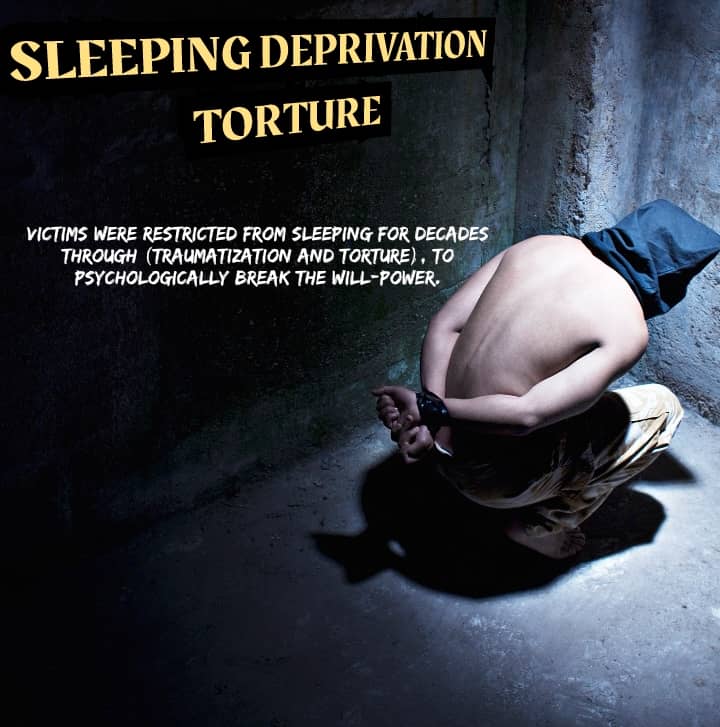
HIV and AIDS thrive where human rights are ignored. In some countries, individuals are imprisoned or harassed simply for belonging to vulnerable groups. Legal systems that criminalize same-sex relationships, restrict reproductive rights, or deny healthcare access create a climate of fear and silence.
False imprisonment, malicious prosecution, and abuse of legal processes also contribute to social breakdown, leaving victims traumatized and vulnerable to infection. When people live under constant threat of injustice, their ability to focus on health and prevention is severely diminished.
Protecting human rights is therefore inseparable from fighting HIV. Ensuring fair treatment, access to justice, and protection from violence allows communities to thrive and strengthens the collective fight against the epidemic.
Breaking the Cycle: A Holistic Approach
The fight against HIV and AIDS cannot be won through medicine alone. It requires a holistic approach that addresses both the medical and social dimensions of the epidemic. At Ruff Reass Foundation, we work to break this cycle by combining awareness, advocacy, and community empowerment.
- Awareness and Education: Equipping communities with accurate information to challenge myths, reduce stigma, and promote safe practices.
- Advocacy for Justice: Defending the rights of marginalized groups and ensuring accountability in legal and social systems.
- Community Empowerment: Building resilience by empowering men, youth, and vulnerable households with knowledge, resources, and opportunities.
- Emergency Response: Intervening in crises that exacerbate vulnerability, ensuring immediate protection and long-term recovery.
This integrated model recognizes that eradicating HIV and AIDS requires transforming the environments where the virus thrives.
A Call to Action
The persistence of HIV and AIDS is not just a medical problem—it is a social injustice. Every time discrimination silences a voice, every time inequality denies access to healthcare, and everytime injustice robs someone of their dignity, liberty the cycle continues. But together, we can break it.
Communities, governments, organizations, and individuals all have a role to play. By promoting justice, equality, and compassion, we create a world where prevention is effective, treatment is accessible, and every person can live with dignity.
At Ruff Reass Foundation, our mission is to stand at the intersection of health and justice. We believe that by addressing social injustices, we can end the HIV and AIDS epidemic for good. But this is not a fight we can win alone. It requires partnership, solidarity, and the belief that change is possible.
Conclusion
HIV and AIDS have always been more than viruses—they are reflections of the societies they affect. Breaking the cycle requires confronting the injustices that give the epidemic fertile ground. By standing together for equality, dignity, and justice, we can finally turn the tide and build a world free from HIV and AIDS.